


Is Modern Reformer Pilates Still Pilates? A Look at Classical Roots vs the New Wave
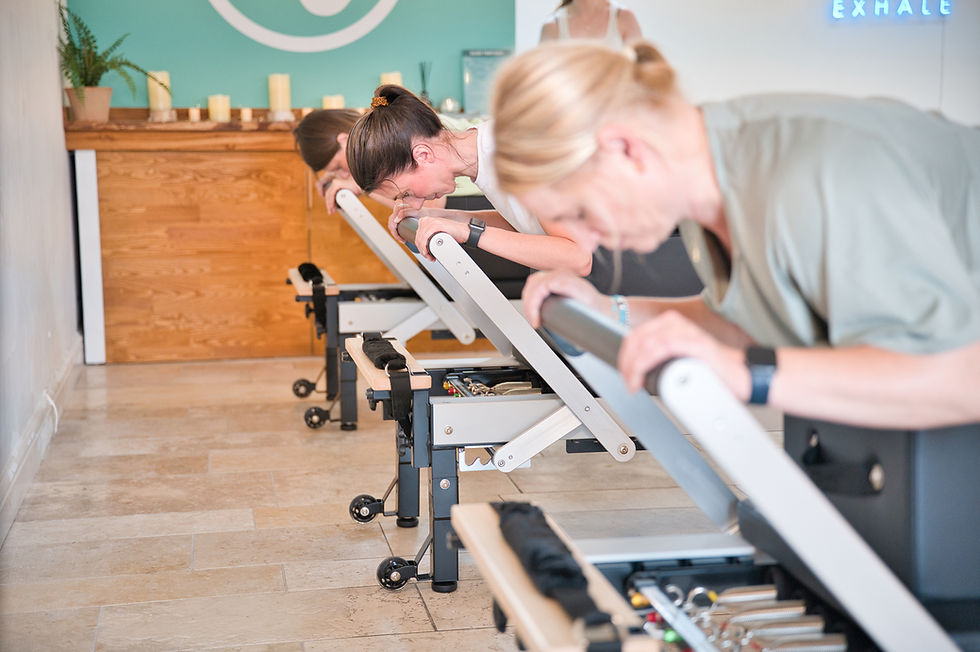
Over the past 18 months, Pilates has seen a huge surge in popularity—largely driven by the rise of reformer classes. Studios are opening everywhere, waitlists are growing, and more people than ever are discovering the benefits of movement-based exercise.
But with that growth has come a noticeable shift in how Pilates is being taught and experienced. It raises an interesting question: is this new, high-energy style still Pilates as it was originally intended—or has it evolved into something else entirely?
The Roots of Pilates: Control, Precision, and Purpose
Pilates was originally developed by Joseph Pilates in the early 20th century, who called his method Contrology. The name itself gives away the core principle: control over the body through mindful, precise movement.
Classical Pilates is built around:
Slow, controlled exercises
Deep focus on alignment and technique
Breath-led movement
Core initiation (often referred to as the “powerhouse”)
Quality over quantity
It’s not about how many repetitions you do, or how quickly you move—it’s about how well you move. Each exercise has a purpose, and transitions are just as important as the movements themselves.
In this traditional approach, you might do fewer exercises in a session, but each one is performed with intention and attention to detail. The result is a method that supports long-term strength, stability, and body awareness.
The Rise of Modern Reformer Pilates
Fast forward to today, and Pilates—particularly reformer Pilates—has taken on a new energy.
Many modern classes are:
Faster-paced
Higher repetition
Designed to “feel the burn”
Set to music with a more fitness-focused vibe
There’s often a stronger emphasis on intensity, sweat, and short-term muscle fatigue. For many people, this makes Pilates feel more accessible and engaging—especially for those coming from a gym or group fitness background.
And it’s easy to see why it’s become so popular. These classes can be:
Motivating
Dynamic
Time-efficient
Great for building general strength and endurance
Two Approaches, Two Experiences
The difference between classical and modern Pilates isn’t about right or wrong—it’s about intention.
Classical Pilates focuses on retraining movement patterns, improving alignment, and building deep, functional strength.
Modern reformer classes often lean more towards a fitness model—challenging, energetic, and focused on how the workout feels in the moment.
Both have value.
The more dynamic style can be a great entry point into movement, helping people build consistency and confidence. But without the foundation of control and technique, there’s a risk that the deeper benefits of Pilates are lost.
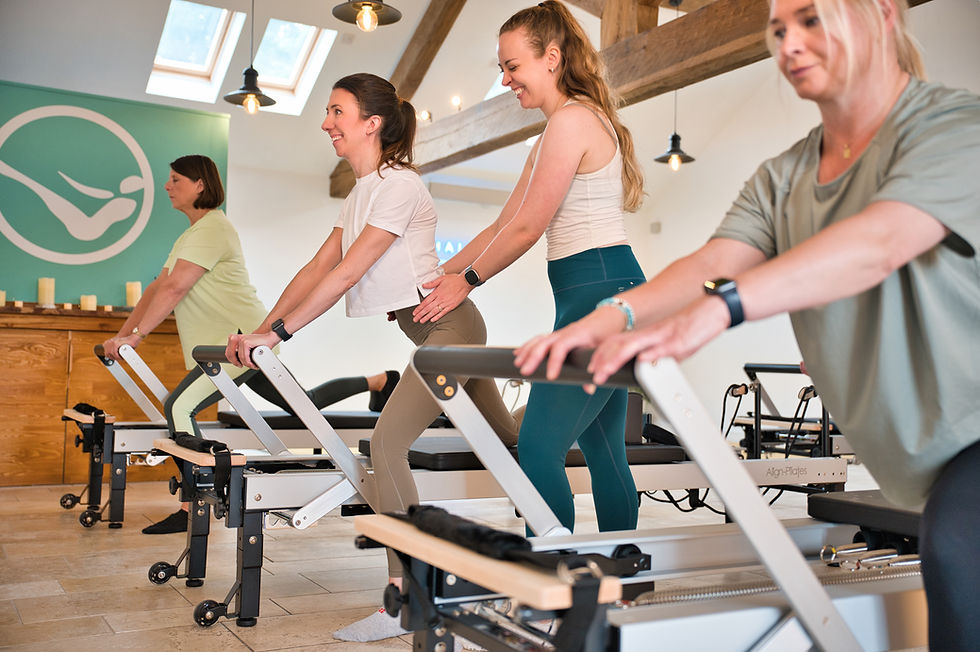
So… Is It Still Pilates?
This is where the conversation gets interesting.
If we strip Pilates back to its original principles—control, precision, breath, and alignment—then some modern classes start to drift away from that definition.
When movement becomes rushed, when form is compromised for intensity, or when the goal shifts purely to “feeling the burn,” it begins to look less like traditional Pilates and more like a hybrid of strength training and group fitness.
That doesn’t make it bad—but it does beg the question:
Has it become something new?
Perhaps what we’re seeing is not the loss of Pilates, but its evolution into different branches:
One rooted in rehabilitation and mindful movement
Another in fitness, energy, and accessibility
Finding the Balance
For most people, the sweet spot lies somewhere in between.
A well-rounded approach might include:
Slower, technique-focused sessions to build control and awareness
More dynamic sessions to challenge strength and stamina
The key is ensuring that even in faster-paced classes, the principles of Pilates aren’t lost:
Moving with control
Prioritising alignment
Connecting breath to movement
Engaging the deep core, not just the surface muscles
Final Thoughts
Pilates has always been a method designed to support the body for life—not just for a workout.
As it continues to grow and evolve, the challenge for both instructors and clients is to stay connected to its foundations, even as styles change.
Because ultimately, it’s not about whether a class is slow or fast—it’s about whether it helps you move better, stronger, and with more awareness.
And that, at its core, is what Pilates was always meant to do.
At Paragon Pilates
Here at Paragon Pilates, we stay true to the classical roots of the method. Our classes are grounded in the core principles of control, precision, breath, and alignment, with a strong emphasis on slow, intentional movement.
We believe that by focusing on these foundations, clients not only build strength but also develop a deeper understanding of their bodies—leading to lasting, meaningful results rather than short-term intensity.
While there is a place for more dynamic styles of movement, our approach centres on helping you move well first—because that’s where real, sustainable progress begins.


Comments